Why PlayStation Is Scaling Back PC Ports in 2026: A Strategic Return to Exclusivity
Introduction
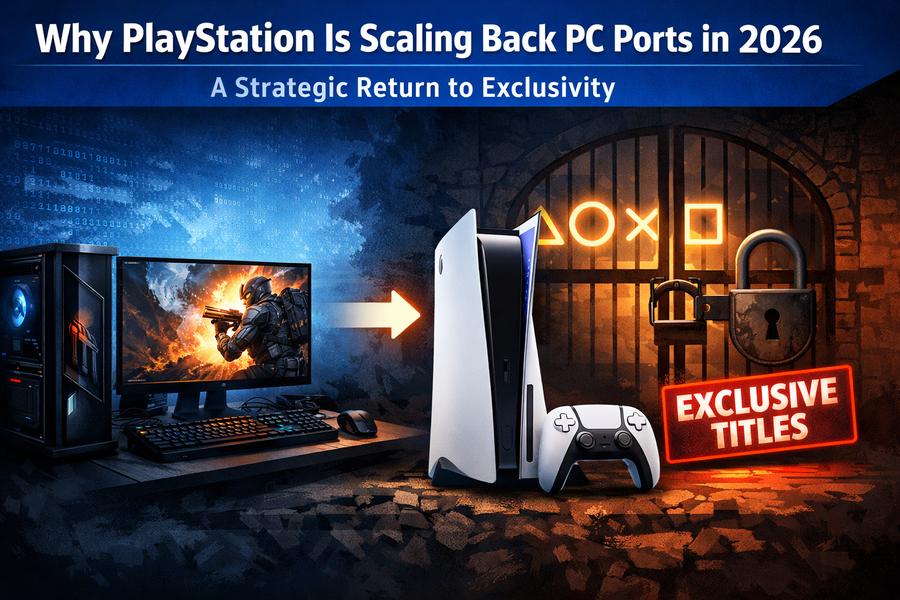
Sony spent the last six years or so gradually bringing its PlayStation exclusives to PC, looking for extra revenue and new players who skip consoles. But right now in 2026 the company is pulling back hard, especially on big single-player games. Reports say they're done with the wide-open approach and want to keep more titles locked to PlayStation hardware. This move has sparked heated arguments everywhere, and a lot of folks are wondering if Sony is just protecting its console sales or reacting to disappointing numbers. The whole debate around who owns what platform feels exactly like those bluff-heavy social deduction games such as Spyfall - everyone's watching, and one bad call ruins the round.
The Rise of PlayStation on PC (2020-2025)
It started cautiously. Games like God of War, Horizon Zero Dawn and Marvel's Spider-Man made the jump and actually did pretty well for Sony. The ports looked decent, ran okay on most setups, and brought in money from people who never planned to buy a PlayStation.
By the mid-2020s PC had turned into a useful side hustle. Sony wasn't throwing away exclusivity completely - they were just extending the life of hits that had already sold millions on console. It seemed like a smart way to squeeze more value without relying only on new hardware every few years.
What Changed in 2026
This year everything shifted. According to insiders and Bloomberg reports, Sony has decided to stop routinely porting its major single-player titles to PC. Games that were once expected to come later - like Ghost of Yōtei or Saros - are now staying on PlayStation only, at least for the foreseeable future.
It doesn't mean the PC experiment was a total disaster. The thing is, Sony looked at the actual sales data and apparently wasn't happy. They're choosing to put the console experience first again instead of spreading every big release thin across platforms.
The Real Reason: Performance and Timing
A lot of the disappointment came from timing. Many PC versions landed years after the console launch, long after the hype had cooled off. Players had already finished the game elsewhere or simply lost interest, so the ports didn't bring in the numbers Sony hoped for. Newzoo data even showed PC audiences making up only a small slice in the first few months after release.
On top of that, optimizing these demanding games for all kinds of PC hardware is expensive and time-consuming. When the extra effort didn't deliver strong enough returns compared to the instant boost a pure console exclusive gives, you can see why the company started rethinking the whole strategy.
Protecting the PlayStation Ecosystem
At the end of the day, this feels like Sony going back to basics. Exclusives have always been the heart of what makes PlayStation stand out - they drive console sales, build fan loyalty, and give people a reason to stick with the brand.
By keeping more big single-player games away from PC for longer (or forever), Sony is doubling down on that "own a PlayStation to play this" feeling. Other console makers have used similar tactics when they wanted to protect their hardware business. In today's crowded market, that kind of clear difference still matters a lot.
What Games Will Still Come to PC
PC isn't being completely abandoned though. Live-service and multiplayer titles are still expected to cross over because they need the biggest possible player base to thrive. Those kinds of games live or die by how many people are online at the same time.
So Sony seems to be heading toward a split model: keep the big story-driven blockbusters mostly exclusive to consoles, while letting online-focused projects reach more platforms. This way they protect their core franchises but still grab some of that huge PC audience. For players who just want to jump in with friends across systems, something as basic as a Join room option shows how much shared play has become the norm these days.
Competition with Xbox and the Broader Market
Meanwhile Microsoft keeps going the opposite direction - putting Xbox games on PC, other consoles, pushing Game Pass, cloud streaming and full cross-play. It's a very different bet.
Sony is leaning harder into making its own platform feel special again, at least for single-player stuff. One side wants to be on every device possible, the other wants you to buy their console if you want the full experience. These two paths could shape the next few years of gaming quite differently.
Community Reaction
The split in reactions was pretty much guaranteed. A lot of PlayStation fans like the idea - they think it protects what makes owning the console actually mean something and keeps those big moments feeling exclusive.
PC gamers are less impressed. Many had gotten used to the idea that eventually most big Sony titles would show up on their platform, and now it looks like that window is closing. Some are calling it a step backward that limits access to great games.
It boils down to the usual tension: do you want everything available everywhere, or do you want each platform to have its own clear identity? Both views have merit, and Sony will have to walk a fine line to keep both crowds from getting too frustrated.
Risks of This Strategy
Leaning back into exclusivity has upsides, but it's not without downsides. The PC market is still massive, and even late ports can quietly add up to decent extra revenue over time. Leaving that money on the table could sting if console sales don't pick up the slack.
There's also the risk of alienating players who've moved almost entirely to PC for better performance, mods or convenience. As high-end PCs and consoles keep getting closer in power, completely ignoring that crowd long-term might cost Sony down the road.
And everything moves fast in this industry. Cloud gaming, subscriptions and easy cross-play are already changing how people access games. Today's smart-looking decision might need another adjustment sooner than anyone expects.
Conclusion
Sony's reported shift away from routine PC ports of single-player games in 2026 marks a clear return toward stronger console exclusivity. After testing the waters for several years, they seem to be refocusing on what traditionally worked best: big exclusives that make owning a PlayStation feel worthwhile.
It doesn't mean zero PlayStation games on PC from now on, but the approach is becoming much more selective. If they balance it right - protecting the special stuff while still supporting multiplayer where it makes sense - they might strengthen their position without shutting too many doors.
The console wars aren't slowing down. Whether this move ends up being a smart defensive play or limits Sony's reach will depend on how the numbers and player reactions shake out over the next couple of years.
🔙 Back to Articles list.