Using Randomness to Keep Small Games Interesting
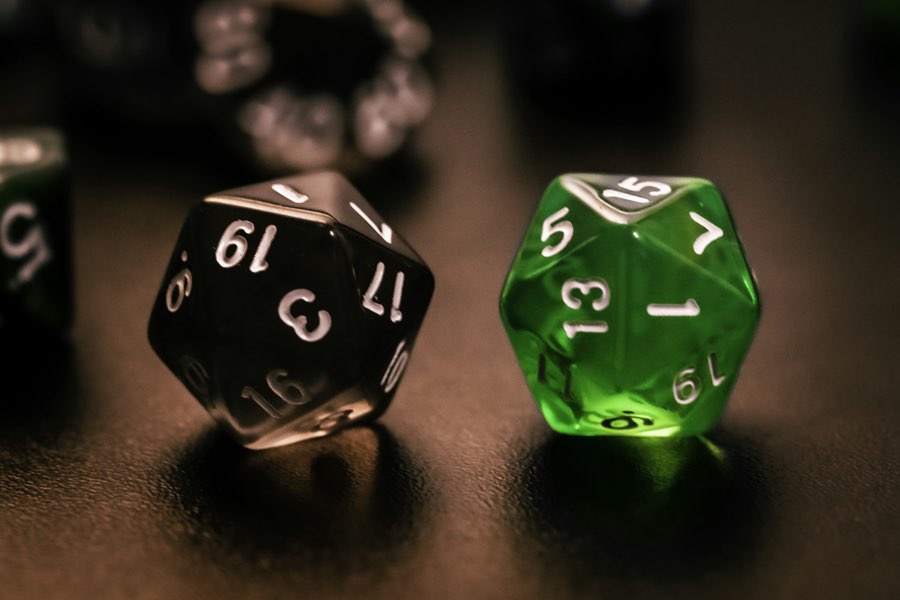
A small game only gets a few seconds to earn a second play. Randomness can be the thing that draws players in or sends them packing. The difference is not luck or clever maths, but how carefully unpredictability is built into the experience.
When you are building games with a tight budget, both in money and memory, you do not get to rely on spectacle. There is no room for long story arcs and endless content playing off in giant worlds. What you do have, is design. In small games, engagement lives or dies on whether the next run is worth starting. Randomness and procedural ideas sit right at the centre of that problem. They can stretch a simple idea far beyond its size, or they can sink it if handled carelessly.
Randomness as a Design Shortcut Under Extreme Constraints
In very small games, replay value doesn't come from adding more. It comes from changing how the same pieces behave. A shuffled map, a different opening condition, or a rule that bends each run slightly can make a short loop feel new again without adding a single asset.
You see this logic at work in tightly regulated gambling systems. Platforms recommended by Casino.co.uk rely on fixed rules combined with variable outcomes to keep sessions engaging without changing the core mechanics.
The value here is not chance for its own sake. It is structured. Players know the boundaries, but they do not know the result. That balance is useful far beyond casinos. In small games, controlled randomness lets you reuse systems while keeping them fresh. The moment outcomes feel unearned or arbitrary, the spell breaks.
Procedural Systems and Measurable Player Response
Randomness is not just a feeling thing; it's also a factor in player behaviour. A 2021 research paper analysing collectable card games looked at how different levels of randomness affected satisfaction and decision-making. The study found that moderate randomness increased engagement, while excessive randomness reduced trust in the system and player enjoyment.
That distinction becomes evident when players try many small games in a short period. If the game feels fair, even when outcomes change, people stay longer. If it feels like a coin flip, they move on. The research supports what most designers sense instinctively: randomness works best when it creates new situations rather than erasing skill.
What Judges Tend to Reward in Small Games
Evaluation criteria for small game competitions consistently lean toward gameplay quality and originality rather than sheer volume. The published ranking criteria clearly emphasise how mechanics and innovation affect the overall experience.
Randomness fits into that space when it is directly tied to play. A level that mixes it up forces players to adapt, just like a tool which behaves slightly differently on each run, which encourages experimentation.
These are small touches, but they signal intention. Judges are not looking for endless possibilities. They are looking for evidence that the game holds up beyond a single playthrough.
Procedural Generation Without Content Bloat
Procedural generation is often treated as a big and complex system. In reality, it can be very lightweight. Research on procedural scene generation shows that simple rule sets can generate varied environments without relying on large asset libraries. The emphasis is on reuse and parameter-driven variation.
For small games, this approach is practical. One tileset can create many layouts. One enemy can behave differently based on context. The code does the heavy lifting. The study also notes that players cope better with variation when the underlying structure remains constant. If players can learn the rules, they accept variation. When everything feels unpredictable, frustration creeps in. Procedural systems work best when they stay understandable, even as outcomes change.
Designing for Fix Limits and Submission Deadlines
Strict submission rules change how forgiving a game-design competition can be. When fix windows are short and late changes are limited, fragile systems are risky. The published rules around deadlines and fixes make that clear.
Randomness can help here if it is built in early. Systems that generate variation tend to expose edge cases during development. Bugs surface sooner because the game is constantly stressing itself. That gives you time to fix problems before submission rather than scrambling afterwards. It also reduces reliance on tightly scripted sequences that can break under unusual conditions.
Here, resilience counts. Games that adapt to variation often survive, judging better than games that only work when everything goes exactly as planned.
Closing the Loop
Randomness is not a shortcut for unfinished work. It is a way to extend a solid idea without inflating the scope. In small games, where attention is short and options are plentiful, that extension can make the difference between a quick glance and a return visit.
The strongest examples use randomness with restraint. Outcomes change, but the rules stay clear. When that balance is right, small games feel larger than they are, and players stay engaged longer than the file size suggests.
🔙 Back to Articles list.