Why Randomness Has Always Been Part of Great Game Design
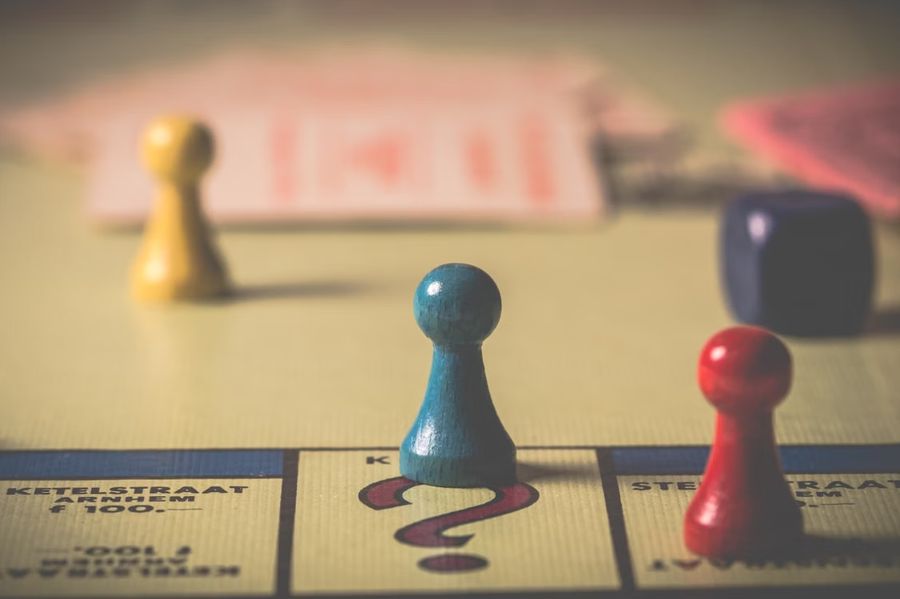
Randomness has been an integral part of games since the inception of the arcade cabinet era until the modern era of browser-based games. While players may think of skill as the key element to victory, uncertainty has been the component that maintains the thrill of playing games.
For the developer, randomness is never meant to reduce the level of freedom of choice for the player. Rather, randomness has become a vital component for the developer to make a system that retains its appeal after multiple plays.
Randomness Creates Replayability

Some of the greatest games of all time have used very basic gameplays that would change each time they were played. The enemies’ behavior, the items, their locations, and even scores could be randomly selected.
This principle is still being used in the creation of games even in our days. When developing even small indie browser games and even more sophisticated virtual game platforms, the probability theory is applied to provide some kind of variation to make players interested in discovering what will happen next. The same principle can be observed in interactive entertainment platforms, which offer online casino games.
The Psychology Behind Uncertainty
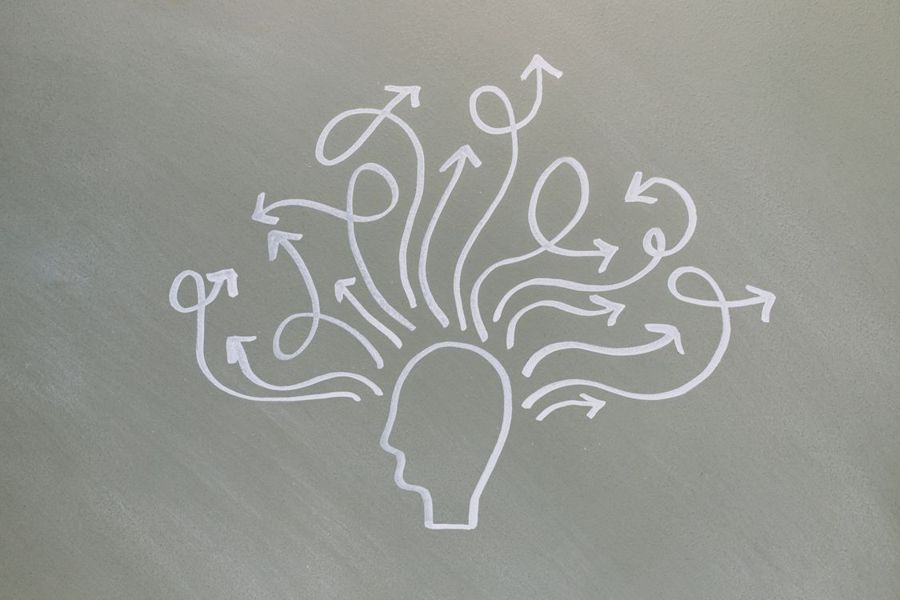
One of the reasons why randomness is successful even today is that the human mind tends to react positively towards things that are uncertain. Predictable processes soon become mundane, but unpredictability tends to attract attention.
Designers of games try to find the right balance between the predictability and unpredictability of game mechanics. They create an environment that is based on known rules, but at the same time, it is impossible to accurately predict the result.
The point here is moderation as excessive use of randomness tends to annoy the player, whereas not enough variety makes playing boring or mundane.
Lessons From Classic Arcade Design
Attracting people’s attention was a must for arcade games, which were limited by hardware and therefore concentrated on mechanics easy to grasp but not that easy to master.
In this case, randomness served as a solution in the most elegant way. The movements of enemies, bonuses, obstacles, and even scoring provided dynamic gameplay without the need for complicated code.
Modern indie developers still use this principle, especially when creating browser games, where simple mechanics work well. Instead of bombarding players with system after system, many popular games utilize simple loops with minor differences.
Probability Supports Long-Term Engagement
Many people think of probability as luck but successful game design relies on mathematical algorithms that have been extensively tried and tested. Game developers use statistics to make sure that random events happen within certain boundaries that provide the player with a good feeling. This way, the game remains exciting while being fair and consistent.
Entertainment applications of today often include probability together with progression, adaptation, and personalization features. This makes the game dynamics emerge organically without making it either boring or exhausting. It becomes more and more evident to designers that engagement requires a rhythm. The player needs time to experience excitement and then get used to it.
Avoiding Cognitive Overload
The contemporary gamer is presented with numerous forms of media vying for his or her attention. Good game design takes this into account by making the process of interaction easier yet varied enough to maintain players’ interest. Instead of providing endless surprises, good games establish structured unpredictability. Basic mechanics are familiar enough to help players feel comfortable, yet the random factor presents new and unusual scenarios, encouraging creative problem solving.
It has become especially relevant due to the trend towards playing games in brief sessions on multiple platforms. Gamers value those games that can be easily approached every single time without having to learn a complex system over and over again. Game developers who recognize this aspect can easily design games that will prove to be enjoyable for years to come.
Why Randomness Continues to Matter
While technology has revolutionized the way games are created, there is something about randomness that continues to be one of the most powerful elements of game design. The power of artificial intelligence, procedural creation, and advanced analytics has broadened what game creators can accomplish, although their goals are much the same as they were before.
What keeps players engaged through multiple plays is the joy they experience in finding unpredictability in well-known mechanisms. From seeing rare occurrences to dealing with new situations or just having an unpredictable sequence of events happen to them, the element of surprise is vital to keeping players interested. It only takes a glance at some of the finest examples of game design for today’s world to see how randomness is anything but the antithesis of design.
Final Thoughts
The element of randomness has always played a huge part in designing great games from the inception of interactive entertainment. Whether we are talking about an arcade game or a more contemporary online browser game, the use of randomness helps make the game enjoyable and fresh without being too challenging for the user.
With new technologies constantly coming our way, game designers will certainly think of new ways to use the same principle. Still, nothing ever changes. Great games are always built on the balance between structure and surprise.
🔙 Back to Articles list.