Random Number Generation in Browser Games
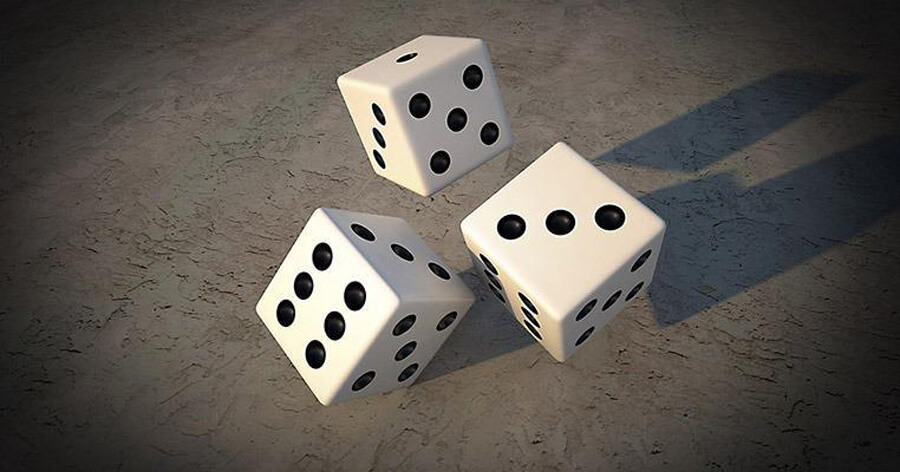
Random number generation sits at the heart of compelling gameplay. Whether you're determining enemy spawn locations, calculating damage values, or shuffling deck cards, the quality and reliability of your randomness directly impacts player experience. Poor RNG implementation can break game balance, create exploitable patterns, or worse, damage player trust.
Browser-based games face unique challenges when it comes to randomness. JavaScript's built-in Math.random() serves most basic needs, but modern games often demand more sophisticated approaches. Understanding the spectrum from pseudorandom to cryptographically secure random numbers helps developers make informed choices about which tools to deploy in different scenarios.
Pseudorandom Number Generators in JavaScript
JavaScript's Math.random() function provides a quick solution for basic randomness needs. This pseudorandom number generator produces values that appear random but follow deterministic patterns. For most gameplay elements like enemy movement patterns or environmental effects, Math.random() works perfectly fine.
The main limitation emerges when you need reproducible sequences. Game developers often want to recreate specific scenarios during debugging or enable replay systems. Math.random() cannot be seeded, making consistent reproduction impossible.
Seeded random number generators solve this problem. Here's a simple Linear Congruential Generator implementation:
class SeededRNG {
	    constructor(seed = Date.now()) {
	        this.seed = seed % 2147483647;
	        if (this.seed <= 0) this.seed += 2147483646;
	    }

	    next() {
	        return this.seed = this.seed * 16807 % 2147483647;
	    }

	    nextFloat() {
	        return (this.next() - 1) / 2147483646;
	    }
	}
This approach proves invaluable for js13k games where every byte counts. You can generate consistent random sequences while maintaining complete control over the randomization process.
Seeded generators also enable procedural content generation with reproducible results. Players can share "seed codes" to experience identical level layouts or treasure distributions. Many successful indie games built their entire progression systems around this concept.
True Random Numbers via Web Crypto API
Sometimes pseudorandom numbers aren't sufficient. When dealing with sensitive game mechanics or competitive scenarios, developers need cryptographically secure randomness. The Web Crypto API provides exactly this through crypto.getRandomValues().
const getRandomInt = (min, max) => {
	    const range = max - min;
	    const randomBytes = new Uint32Array(1);
	    crypto.getRandomValues(randomBytes);
	    return min + (randomBytes[0] % range);
	}
True random numbers draw from entropy sources like mouse movements, keyboard timings, and hardware noise. This makes them unpredictable even to someone with complete knowledge of the algorithm.
The tradeoff involves performance. Crypto.getRandomValues() requires more computational resources than Math.random(). For js13k competitions where file size and performance matter, reserve true randomness for critical moments rather than routine calculations.
Consider using true random numbers for tournament brackets, prize distributions, or any mechanic where fairness perceptions matter most. Save pseudorandom generation for atmospheric effects, enemy AI behaviors, and similar non-critical systems.
Modern browsers handle crypto operations efficiently, but always test performance across different devices. Mobile browsers may struggle with frequent crypto calls during intense gameplay sequences.
Fairness and Transparency in Random Systems
Player trust forms the foundation of successful random mechanics. When randomness feels unfair or manipulated, players abandon games quickly. This problem extends beyond traditional gaming into broader interactive entertainment.
Transparency becomes crucial when random events significantly impact player progression or rewards. Consider implementing visible random processes where players can observe the randomization happening in real-time.
One effective approach involves showing dice rolls, card shuffles, or spinner animations. These visual representations help players understand that genuine randomness drives the outcomes, not hidden algorithms designed to frustrate them.
Provably Fair Systems
Cryptographic techniques enable provably fair randomness where players can verify that no manipulation occurred. This approach gained popularity in blockchain gaming but applies to traditional web games too.
The basic concept involves generating a hash of the random seed before revealing results. Players can later verify that the revealed seed produces the claimed outcomes. While complex to implement, this method provides mathematical proof of fairness.
const generateProvablyFairResult = async (clientSeed, serverSeed) => {
	    const combined = serverSeed + clientSeed;
	    const hashBuffer = await crypto.subtle.digest('SHA-256',
	        new TextEncoder().encode(combined));
	    // Convert hash to game result
	    return new Uint32Array(hashBuffer)[0] % 100;
	}
Industry Standards for Random Gaming
Different gaming sectors maintain varying standards for randomness verification. Traditional casinos undergo rigorous testing of their random number generators by independent laboratories. Online gaming platforms face similar scrutiny, particularly when real money transactions occur.
Even platforms operating outside traditional regulatory frameworks, such as top non-Gamstop casinos, often implement third-party auditing of their randomness systems to maintain competitive credibility. These verification processes demonstrate how seriously the industry treats random number integrity.
Game developers can learn from these standards when designing their own random systems. Regular testing, documentation of randomness sources, and transparent communication about fairness measures help build lasting player relationships.
Handling Edge Cases and Bias Prevention
Random systems often exhibit unexpected biases. Modulo operations can skew distributions when the modulus doesn't divide evenly into the generator's range. Always test random distributions across large sample sizes to identify these issues.
Consider implementing streak-breaking mechanisms for particularly frustrating random events. While purists argue this compromises true randomness, player satisfaction sometimes outweighs mathematical purity in game design.
Practical Tips for js13k Developers
Code size constraints force difficult decisions about random number implementation. Math.random() consumes minimal bytes but offers limited flexibility. Custom seeded generators require more space but provide greater control.
Consider hybrid approaches where you use Math.random() for non-critical randomness and reserve more sophisticated generators for key gameplay moments. This balance helps manage both file size and player experience effectively.
Testing randomness in browser environments requires patience. Generate thousands of samples and analyze the distributions. Simple visualization techniques can reveal patterns that statistical tests might miss.
Avoid common pitfalls like using Math.floor(Math.random() * n) for ranges. This approach can introduce subtle biases for certain values of n. Instead, use rejection sampling or other bias-free techniques when precision matters.
Remember that perceived fairness often matters more than actual fairness in game design. Players notice streaks and patterns even in truly random sequences. Sometimes implementing slightly non-random systems that feel more fair produces better player experiences than mathematically perfect randomness.
🔙 Back to Articles list.