Optimizing Game Assets and Shipping Code: Lessons Developers Can Learn from Real-World Logistics
Shipping code might sound like just another part of the developers' cycle, but if you’ve ever worked in logistics — or even just tracked a late pizza — you know there’s a whole world of lessons hiding in that word.
If you squint a little, game development and logistics aren’t that different. Both are about moving things efficiently — whether it’s a 3D model or a warehouse pallet. Both break under pressure if the pipeline isn’t clean. And both suffer when communication falls apart.
Having worked on both sides, it's clear how things can go sideways — a single unoptimized game asset can crash a mobile build, and a missed update can cause an entire shipment to stall in real-world logistics.
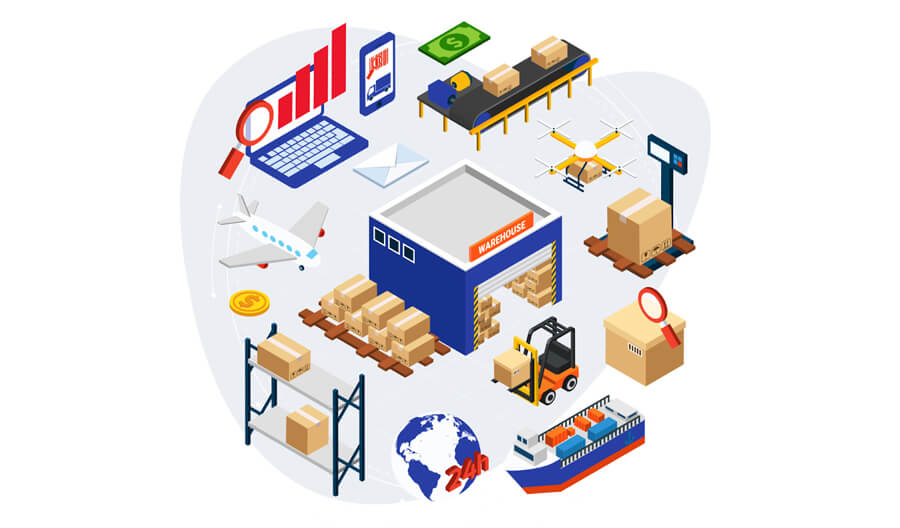
Your Build Pipeline Is a Supply Chain
Let’s start with the obvious one. Every time your assets pass from one person to the next — the artist, the animator, the developer, QA, release — that’s a handoff. It’s no different from a shipping route that goes warehouse → freight → customs → final delivery. And just like in logistics, things break down at the handoffs.
If you don’t have tools in place to track those transitions, you end up with broken builds, version mismatches, and 11th-hour scrambles. The same applies if a delivery truck gets rerouted and no one updates the tracking information.
That’s where tools like Packy come in on the logistics side — giving teams clear status updates, bottleneck alerts, and traceability. Devs need similar visibility in their pipelines: where is this asset now, what state is it in, who’s got it next?
“Inventory” Isn’t Just for Warehouses
You might not think of a texture atlas or an audio file as “inventory,” but think again. In logistics, inventory control is what keeps the whole system from descending into chaos. In games, your assets are no different. You need to know what’s in your repo, where it’s used, and whether it’s current.
Outdated or bloated assets are like expired stock — they clog up builds, slow down downloads, and confuse your team.
Good logistics teams tag and track everything. Smart game teams version and label everything clearly, avoid duplication, and don’t keep unused junk in production folders “just in case.”
Optimization = Load Management
A freight truck with poor load balancing wastes fuel and risks tipping over. A game with poorly optimized assets… well, maybe it won’t tip, but your frame rate will fall off a cliff.
The concept’s the same: efficiency equals performance.
Big textures, unnecessary animations, bloated scene files — it’s like sending air-filled boxes across the country. Pointless, expensive, and slow.
Logistics companies obsess over cubic volume. Game developers should obsess over build size, asset compression, and load time. Cut what you don’t need. Shrink what you can. Only ship what matters.
Fallbacks and Fixes Matter More Than You Think
Real-world shipping companies don’t just plan for success — they plan for what goes wrong. Damaged goods, failed deliveries, returns. It’s all part of the loop. In game dev, we often rush to get a build out and hope for the best. But do you have a plan if something breaks in production? Rollbacks? Quick patch tools? Monitoring?
What logistics teams learned long ago — and developers often forget — is this: you can’t control everything, but you can always be prepared.
People Don’t Just Want Delivery — They Want to Know What’s Happening
In logistics, one of the most significant trust signals is straightforward: the tracking link. Even if something’s delayed, just knowing where it is makes people feel better.
In game dev, players feel the same way. If your update is late or buggy, people won’t always get angry—unless you go silent. Talk to them. Show them what’s shipping. Developer teams need to build that into their DNA, too. Visibility isn’t just a courtesy — it’s a trust builder.
Shipping Is Part of the Product
This is the big one. In logistics, a perfect product delivered late is still a failure. The same goes for games. The player doesn’t care how brilliant your design is if the update crashes on install. If the file’s too big for their phone. If the game freezes on the splash screen.
Shipping is part of the player experience. It’s not an afterthought — it is the product, in a way.
So when you think about the next sprint, don’t just ask, “What are we building?” Ask, “How are we delivering it?” Because if the shipping fails, nothing else matters.
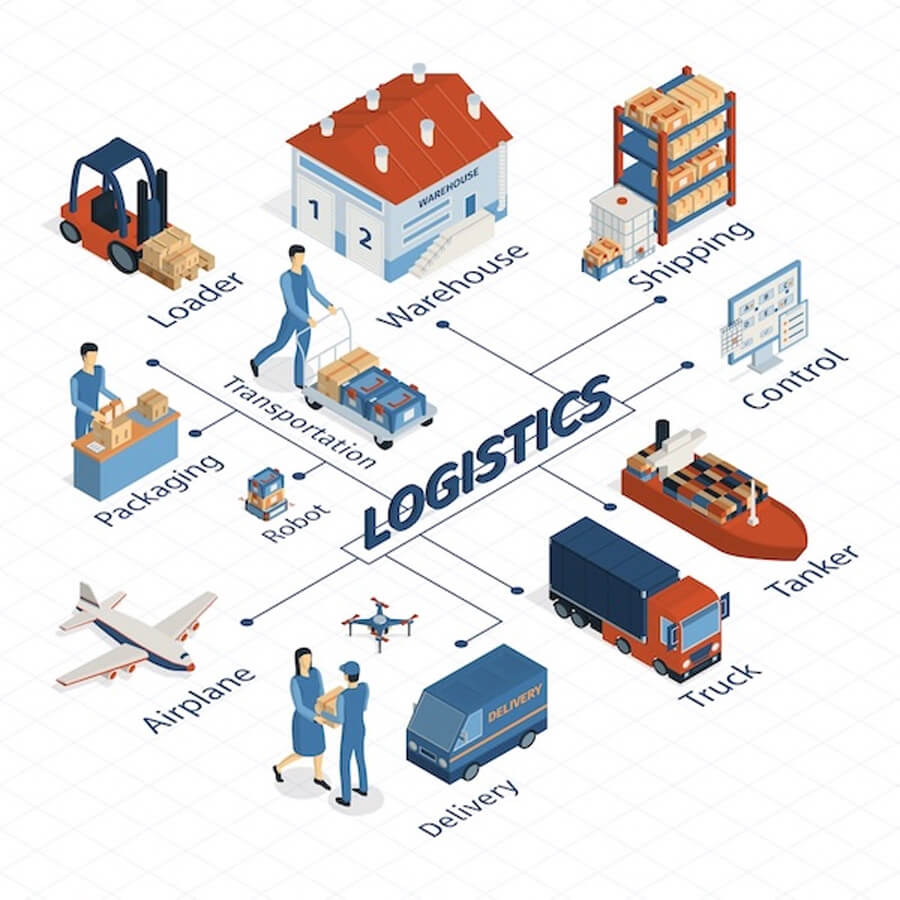
Think Like a Logistics Team, Ship Like a Pro
Game development isn’t just about writing elegant code or painting beautiful worlds. It’s about getting that work into players’ hands smoothly and consistently. That means thinking like a logistics team: track your pipelines, label your inventory, optimize your loads, and keep people in the loop.
And if you need a role model for how delivery should feel, take a look at how platforms like Packy operate. They’ve figured out how to keep things moving, how to keep people informed, and how to make the messy part of fulfillment feel clean and effortless. We could all use a little more of that in our development cycles.
🔙 Back to Articles list.