Getting Started in WoW Classic: A Quick Beginner’s Guide
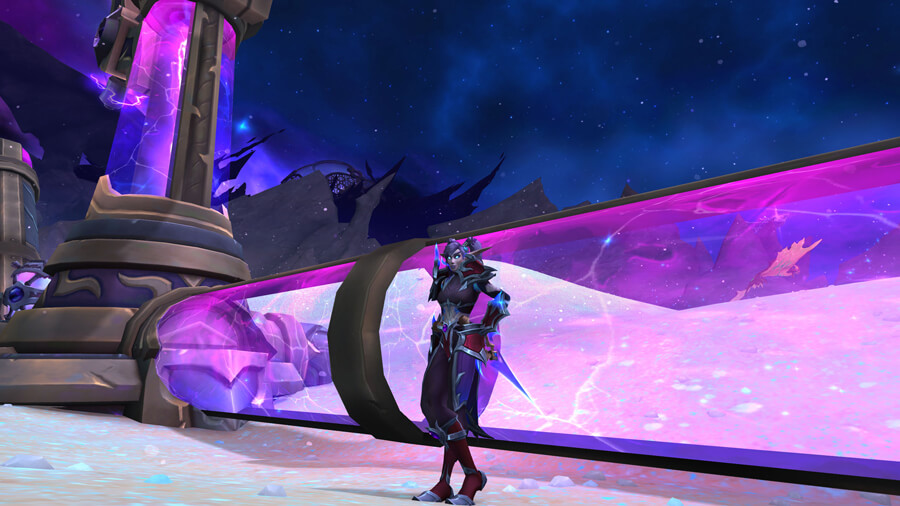
WoW Classic is an MMO in the truest sense. Challenging and slow-paced, it offers a strong sense of progression and achievement, but it can also be quite tough and confusing for new players.
To help you start off on the right foot, this guide will walk you through the core aspects of WoW Classic and give you some essential tips and strategies to make your early adventures more enjoyable.
The Different Versions of WoW Classic
If you’re new to World of Warcraft, one of the first confusing things you’ll notice is that there isn’t just one but actually several “Classic” versions of the game. Here’s a quick breakdown of them all:
- Classic Era is the “museum piece” version of Classic. It’s permanently frozen in its original, aka Vanilla, state and doesn’t receive new updates or phases.
- Season of Discovery (SoD) is a seasonal take on Classic WoW, with Vanilla content sprinkled with new systems and regular updates.
- Progressive Classic is the version of Classic that launched back in 2019 and then moved forward through WoW’s original expansion timeline (currently on Mists of Pandaria Classic).
- Hardcore Classic is a unique spin on Classic, where you only get one life and have to start from scratch when you die.
- Anniversary Fresh servers launched in 2024 and reset the game back to Vanilla WoW, but with some quality-of-life improvements. These servers are progressing through original phases, with the final one expected in October 2025.
Character Creation
Choosing a Faction
In Classic, there are two factions: Alliance and Horde. They have different stories, NPCs, and quests, and there are also two faction-specific classes: Paladins for Alliance and Shamans for Horde. If you plan to play with friends, make sure you’re all in the same faction, since you can’t group with the opposite faction.
Race and Class
Each faction has several races, and every race comes with a set of available classes as well as unique racial abilities you can benefit from.
Your class will determine your playstyle and your role in the game (tank, healer, or damage dealer). When picking a class, it’s always best to go with the one you like, whether it’s for the visuals, the lore, or the gameplay fantasy. If you want to make a more informed decision, you can also do some research on each class, but don’t overthink it. No one knows your preferences better than you, and it’s much better to play what feels fun rather than forcing yourself into the meta.
Your First Steps in Azeroth
Once you’ve created your character, it’s time to finally enter the in-game world.
Right off the bat, you’ll get your very first quest and see some tips explaining the game’s basics, like how to move or use your abilities. Questing will be your main way to explore the world and level up your character. You’ll pick up quests from NPCs, complete their tasks, and earn various items and XP to level up, become stronger, and unlock new content.
In Classic WoW, quest objectives don’t appear on your minimap, and you’ll need to actually read the quest text to figure out where to go. If you ever get stuck, you can check quest guides on Wowhead or use a quest addon like Questie.
All your active quests are stored in the in-game Quest Log (default hotkey: L), so you can always review your progress and objectives there.
Mobs
As you quest and explore the world, you’ll constantly run into enemies, or mobs. You’ll defeat them using your abilities and then collect loot, which are the items that mobs drop when they die. Killing mobs also gives you XP.
Skills
Every two levels, you can visit your class trainer to learn new abilities. Training is not free, so you should focus on useful spells rather than learn everything right away. You can also upgrade existing abilities to higher ranks to make them more powerful.
When you learn or upgrade a skill, it won’t automatically appear on your action bar, so always make sure to drag it there from your spellbook.
Gold
WoW Classic gold is the main currency in the game. You’ll need it for things like training new abilities and spells, leveling up professions, repairing gear, as well as buying consumables and level 40 and 60 mounts.
You can earn gold from quests, mobs, and dungeons as raw drops, plus sell your loot to vendors for some passive income.
You’ll also make and spend gold on the Auction House, the game’s market where players buy and sell items. You can earn a lot by selling gear, crafting materials, or consumables made or gathered with your professions, but be careful about spending too much, especially while leveling. Gear upgrades often come naturally through quests and dungeons, and consumables can be crafted if you have the right professions. Spend your gold wisely, because you’ll need a lot of it in the endgame.
Talent Trees
At level 10, you’ll unlock your talent trees. Every class has three different trees, and with each new level, you can place one point into a talent of your choice.
If you’re new to the game, it’s usually best to follow a leveling build guide for your class. Don’t worry if you make a mistake, though: you can reset your talents by paying your class trainer, but every new respec will get more pricey.
Professions
You can pick up professions starting at level 5. Professions are split into two types: primary and secondary.
Primary professions also come in two categories: gathering (like Mining or Herbalism) and crafting (like Blacksmithing, Alchemy, or Tailoring), allowing you to collect resources or create your own items. Each character can learn up to two primary professions.
Secondary professions are unlimited, so we highly recommend picking up all three. First Aid will help you recover quickly after battles; with Cooking and Fishing, you’ll create food buffs and even make some money on the side.
Professions are learned from trainers, who also help you upgrade your skill rank (for a fee). Each profession has four ranks, and you gain skill by actively using that profession.
🔙 Back to Articles list.