The Evolution of Sports Gaming Culture and Why It Matters
Video games and sports used to feel like completely different worlds. You'd play footie outside or watch a match on TV, then maybe slip in a game console later for fun.
But these days, sports gaming isn't just a way to fill time between matches. It's part of how fans, players, and communities actually experience sport.
The change didn't happen all at once. It crept up slowly, as hardware got better, connections faster, and people found new ways to mix gaming with real‑world sports.
Now, sports games aren't just about running around a virtual pitch. They are about shared moments, friendly rivalries, and seeing your favourite teams in new ways.
Anyone who's followed either closely will know. The worlds have overlapped, rules have bent, and what started as a hobby has turned into something much bigger. From chats about old scores to huge online leagues, now it's grown into a full-blown culture.

The Rise of Realism and Emotion
As technology improved, so did sports games. Graphics became more lifelike. Animation smoother. Audio richer. A game like FIFA or Pro Evolution Soccer could make you feel like you were on the pitch, even when you were on a sofa in Tunbridge Wells or Glasgow.
Cameras captured replays that mirrored real broadcasts. The commentary sounded less generic. Player likenesses, kits, and stadiums matched reality more closely. For fans, these games became a bridge between the virtual and the real - a way of interacting with sport that felt authentic and immersive.
That authenticity fed into fan culture. Casual supporters downloaded demo discs, swapped tips in forums, and debated tactics with strangers online. Friends would challenge each other to weekend tournaments. School playground chats pivoted from "who scored?" to "who used what formation?" The language of sport and gaming began to blend.

Online Play and Global Communities
One of the biggest turning points came with online play. Suddenly, you weren't limited to the person sitting next to you. You could play someone across town, across the country, or across the world.
Communities grew around these connections. Online leagues sprouted up. People shared tips on strategy and formation. You saw supporters of rival clubs challenge each other digitally, often with the same passion they showed in real life. A Liverpool fan in Leeds might be up against a Spurs supporter in London, and it didn't matter where they lived - the rivalry was real.
Sports Gaming and Real‑World Fan Culture
The influence of sports gaming hasn't stopped at screens and online matches. It's shaped wider fan culture in surprising ways. Fans check game stats for fun. They replay historic moments digitally. They create fantasy leagues that mirror real standings.
Supporter groups organise meet‑ups based around gaming competitions. In some cases, there's even crossover with betting culture - not just tips and odds, but the way people think about strategy and probability.
This rise of crossover thinking has also influenced how people research sports betting sites. For fans who enjoy stats and player data, platforms offering independent UK bookie reviews help them make informed choices rather than going in blind.
Casual Mobile Titles and Accessibility
Another significant change has been the rise of sports titles on mobile devices. While big console games still dominate the hardcore facet of sports gaming, casual mobile titles bring sports to a much broader audience.
These games aren't always about deep simulation. They might be stylised, simplified, or even arcade‑like. But they are accessible. They introduce people to concepts of team building, scoring, and even basic tactics. Someone who has never held a controller might still understand the thrill of a last‑second goal in a phone game.
That accessibility broadens the cultural footprint. Families play together. Friends challenge each other on quick breaks. It embeds sport into everyday life in a way that's more than just watching highlights or following match reports.
Story Modes and Narrative Depth
One of the interesting developments in sports gaming over the past decade has been the rise of story modes. These are single‑player narratives where you don't just play matches. You live a career. You make decisions. You interact with teammates, managers, and sponsors.
That's a big deal because it adds emotional stakes. Suddenly, you are not just playing for a screen score. You feel the ups and downs of a season, the pressure of contract renewals, and the uncertainty of form slumps.
These narrative experiences borrowed from RPGs and adventure games, but they still feel rooted in sport. They teach fans empathy for players. They help people understand what a career arc might feel like, even if they have never kicked a ball in anger.
Shared Experiences Beyond the Game
One thing that has stood out over the years is how social sports gaming has become. It's not just about the match on screen. It's about the moment before and after.
People meet up for local tournaments. They organise couch sessions. They share clips on social media. They discuss strategy in forums. Some communities even create deep lore around player choices, tactics, and meta gameplay.
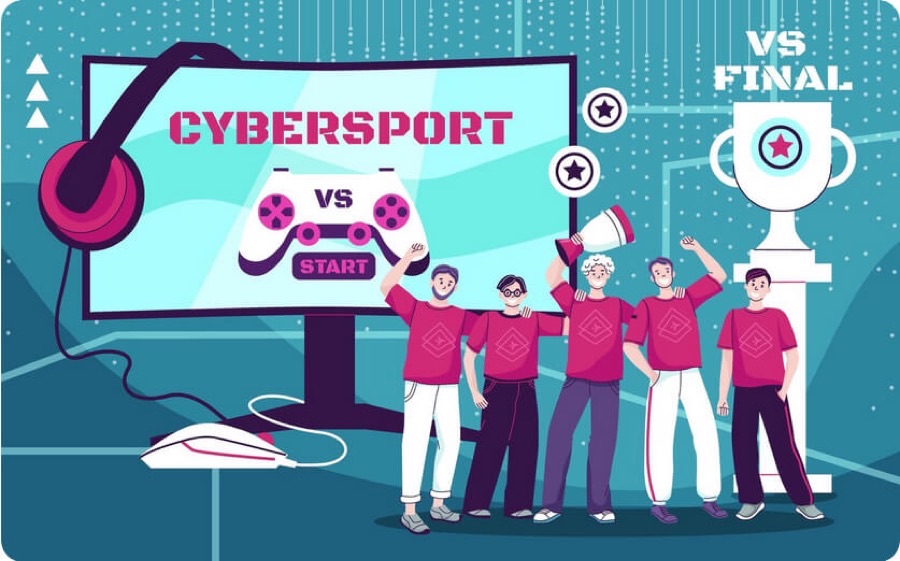
Watching someone else play, especially a dramatic match, has become a form of content in its own right. Streamers broadcast their games with live audiences. Viewers engage with comments, predictions, and live reactions. It's a shared experience that mirrors how real‑world supporters react to a big match or a surprising result.
This communal aspect turns every game session into a social event. It's not solely about whether you win or lose but about being part of something bigger.
Where It's Heading in 2026 and Beyond
As we head into the latter part of this decade, sports gaming isn't slowing down. In fact, the boundaries between virtual and real sport continue to blur. Augmented reality experiences, deeper integration of biometric feedback, and cross‑platform play all point toward a future where sport isn't confined to a pitch or a console. It's everywhere.
Fans will continue to shape how games are played and discussed. Developers will respond with richer worlds, more social integration, and experiences that mirror fandom in the real world. And as technology evolves, so will the ways we connect with sport - on screen, around screens, and across communities.
🔙 Back to Articles list.