Designing Games for Emotion, Not Just Mechanics
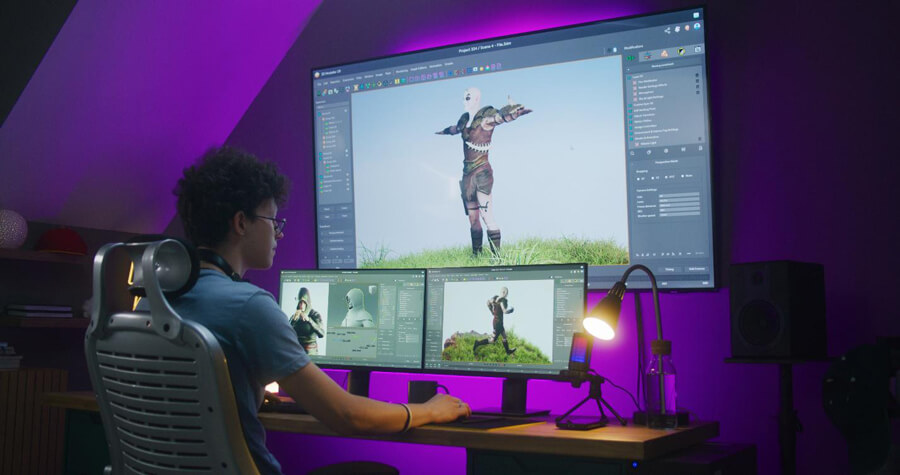
Today’s game developers are no longer content with simply creating games as a form of escape. More and more studios are focused on tapping into players’ emotions, crafting experiences that draw them into richly developed worlds, foster deep connections with characters, and leave lasting impressions.
Yes, graphics and eye-catching visuals are also important. But there's more to a game than such features. A good game should elicit emotions to the point of making you want to continue playing. Only then, can a game be truly enjoyable. And this goes for different categories of games, from PC or console games to even some of the most popular no deposit slots found at online casinos.
But designing for emotion in games isn’t simple. Even in well-established mediums like film or literature, emotional impact can be unpredictable, what brings one person to tears might leave another unmoved. Game developers face the added challenge of using the same storytelling tools, but adapting them to an interactive medium where the player drives the experience.
Keep reading to explore the power of emotion in games and how developers are learning to master it.
Understanding Player Psychology
For game developers to truly connect with players’ emotions, they first need to understand what motivates them. Player psychology examines how players think, feel, and behave in games, including what drives their actions and how they respond emotionally. This insight helps developers create games that are not only fun but also meaningful and engaging.
It reveals why people play games and what keeps them interested. For example, players seek freedom to make choices (autonomy), a sense of skill and mastery (competence), and social connection (relatedness). When games fulfill these needs, players become more involved and emotionally invested. Feelings like excitement, frustration, or pride also influence how players experience a game.
Today’s players want more than simple entertainment; they want games that feel personal and immersive. By understanding player psychology, developers can design experiences that tap into players’ deeper desires, keeping them engaged and loyal. With many people spending hours playing games every week, knowing what drives players is essential to stand out in a crowded market.
Crafting Engaging Storylines
To truly elicit emotion from players, they must be able to connect with the characters and genuinely care about what happens to them, something only a strong narrative can achieve. Through rich dialogue, meaningful decisions, and characters we grow attached to, game narratives can deliver powerful emotional moments, whether it's laughter, heartbreak, pride, or regret. You might feel empathy for a companion who’s lost everything, guilt over a choice you thought was right, or fury at a betrayal you never saw coming.
Few games embody this emotional depth better than The Last of Us. At its core, it’s not just a story of survival, it’s a journey centered on the bond between Joel and Ellie as they navigate a shattered world. What begins as a mission evolves into something profoundly human: a raw exploration of love, loss, and the emotional weight of connection.
Their pain becomes your pain. Their choices linger with you long after the game ends. The narrative was so impactful that HBO adapted it into a critically acclaimed television series, praised for its emotional storytelling and winner of multiple awards.
Embedding Immersive Visuals
A game’s visuals do more than simply make it look appealing, they help create an emotional environment where players can truly connect with the experience. Every artistic choice is carefully considered, from lighting and textures to colour palettes and visual effects. These elements work in harmony with music and sound to set the tone and shape the mood.
For example, bright, vibrant visuals paired with upbeat background music can energise players and keep the atmosphere light and fun. This approach is common in light-hearted exploration games designed to help players relax and unwind.
Games that explore heavier or darker themes, however, often rely on muted colour schemes and somber soundscapes to evoke feelings of sadness, tension, or introspection. The minimalist visuals in games like Limbo or Inside immerse players in eerie, emotionally charged words that feel both haunting and profound.
Creating Impactful Sound Design
Sound design is one of the most powerful, yet often overlooked, tools for creating emotional impact in video games. While visuals draw players in, it’s sound that brings the world to life and evokes deeper emotional responses.
From background music to the smallest sound effect, every audio element adds emotional weight to the experience. Just as a powerful score can transform a film or television show, the right music in a game can build tension before a boss fight, create calm during exploration, or deliver emotional impact during key story moments. A haunting melody or soaring orchestral theme can linger in a player’s memory long after the game is over.
Sound also plays a practical role in enhancing realism and immersion. It makes actions feel tangible, every footstep, sword swing, or explosion draws players further into the world. Imagine walking through a virtual forest: you don’t just see the trees, you hear leaves crunching underfoot, birds calling in the distance, or a stream trickling nearby. These subtle sounds anchor the fantasy in something that feels believable.
Then there’s voice acting. These days, many games feature top-tier actors who bring characters to life, imbuing them with emotion and personality. The more authentic and relatable these characters feel, the easier it is for players to connect with them, and care about what happens to them.
Author’s Bio:

Hey guys! I’m Michael Murdoch, and I’m a Senior Content Writer at NoDepositFan.org. Aside from my passion for writing, anyone who knows me can confirm that I’m also an avid gamer. From arcade to console games… and even your occasional online slot game – you name it and I’m, well, game!
🔙 Back to Articles list.