Is blockchain the future of gaming?
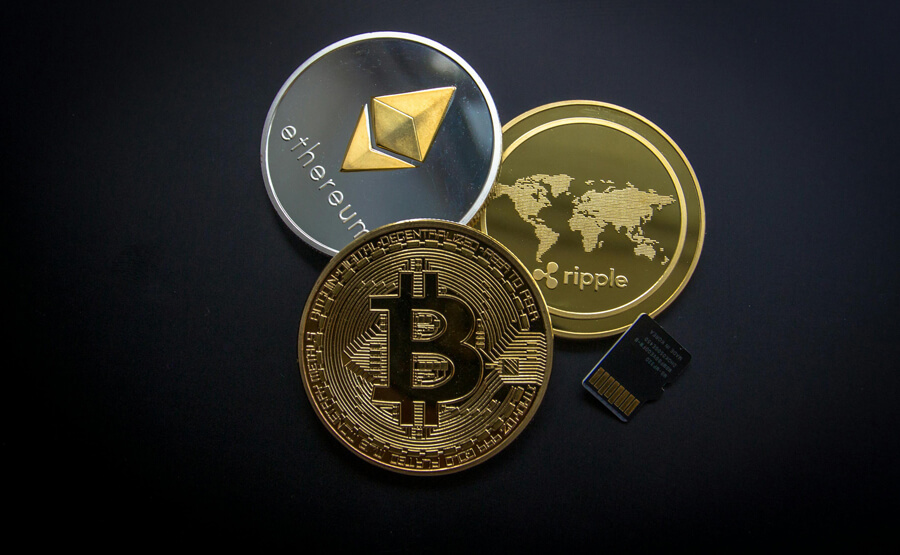
About a decade and a half ago, it would seem illogical to think blockchain could affect the gaming sector. However, years later, this technology is making waves in the industry. In fact, looking at the statistics, GlobeNewswire suggests that the global blockchain gaming industry has already hit $8.5 billion and is on its way to reach $314.3 billion within the next few years.
This statistic is just an example of how conversations around cryptocurrencies have changed and how different sectors are rapidly welcoming them. And even if you were to check the Solana price USD, you’ll notice that crypto has become so popular. The increasing demand for these tokens, which cost just a few cents during their launch, has seen their prices skyrocket to unusual heights.
And as their appeal increases, the gaming industry could welcome blockchain technology more. Here is why.
In-game assets
It can sometimes be painful to realize that you won’t be able to use your in-game assets anywhere else, especially after spending all the time and effort trying to gather them. Thankfully, with blockchain, this pain actually comes to an end.
Instead of just playing for fun or achievements, players can earn real-world value, often in the form of cryptocurrency, by completing tasks, battling other players or winning tournaments. CryptoKitties was among the first games to bring this shift. Launched in 2017, it allowed players to buy, sell and even breed virtual cats, represented by unique Ethereum NFTs.
Surprisingly, by December 2017, the game had processed over $12 million in sales on its decentralized network. Others like Axie Infinity followed a few years later. Axie Infinity, in particular, really helped push the boundary of blockchain in this industry. In fact, in 2022 alone, 40% of its players came from the Philippines.
Of course, the model has seen its ups and downs. The Axie economy suffered when the game’s tokens (SLP and AXS) lost value, and it showed how delicate these systems can be without proper balancing. According to data from Priori Data, Axie has over 300,000 average monthly players.
This is a significant drop from 2022’s over 2.7 million daily players, which was mainly fuelled by the 2021-23 crypto crash. But given that the game still has a considerable number of daily players, maybe things could change in the coming days.
True ownership
If you’ve ever played games like Fortnite or Call of Duty, you’ve probably spent real money on in-game items like skins, weapons, characters and the like. The only problem with this is that you never really own those items. They’re stored on centralized servers and controlled entirely by the game’s developers.
It gets problematic if your account gets banned or the game shuts down – those assets vanish into thin air.
Unfortunately, studies show that gamers spend up to $6,425 on virtual items for their entire gaming duration, with 51% confirming frustration for not being able to gift or resell these items. Plus, another 23% are annoyed by the difficulties in managing and transferring their digital assets, as most gaming websites make these processes restrictive.
Thankfully, blockchain flips that model. It allows for true digital ownership through unique, verifiable assets stored on the chain. So, when you buy a sword in a blockchain-based game, it remains yours and you can sell, trade, or even use it in another compatible game.
Gods Unchained and The Sandbox are good examples. In Gods Unchained, you can own cards as NFTs and buy and sell them like physical trading cards.
Decentralized game development
In traditional games, studios and publishers have all the control. They can dictate the rules, updates and economies. In blockchain networks, however, the community can shape the game’s future. If you’ve heard about decentralized autonomous organizations (DAOs), this idea should not be new.
DAOs can allow players to vote on key decisions such as gameplay changes and new characters. On Decentraland’s DAO, for instance, users can create autonomous organizations to facilitate voting, which takes place through wrapped versions of MANA and LAND tokens. Such innovations open the door for more inclusive, player-driven experiences.
So, is blockchain really the future?
Well, you’d expect that with such benefits, the answer would be an absolute yes. But there are some challenges that we have to overcome. For example, studies show that over 75% of adult gamers are yet to be acquainted with blockchain gaming. In fact, some even suggest that they have never participated in a blockchain video game.
Putting things into perspective, OnePoll found that about half (52%) of players are not familiar with this trend at all. But you’d be surprised to learn that 63% want customer refunds for in-game purchases if a game permanently shuts down, showing how important these assets are to players. Plus, another 34% want the decision to shut down a game to be decided by the entire gaming community.
Given that blockchain can actually help cater to these preferences, we may see its influence in the sector increase significantly. Of course, developers have created games where players can get ahead of these challenges.
However, as we have noted, many of them are unaware of blockchain games. This could actually be a great opportunity for blockchain to penetrate the gaming world even more. After all, most of the in-game frustrations, like the lack of inclusivity, are effectively addressed by blockchain.
🔙 Back to Articles list.