Blending Chance and Skill in Modern Browser Game Design

What makes a browser game so interesting that people keep going back? More often than not, it’s a mixture of luck and skill: a game that requires all skill can be tough for new players to get into, while one that requires all luck gets boring quickly. But when these two come together, that’s when the magic happens. This is how you get a game where every choice feels meaningful, and every single playthrough feels fresh.
Any good game designer knows that getting this balance right is paramount. It means building a system where luck gives you opportunities, but your skill determines how well you use them. It’s more than just fun; it’s about giving players a sense of control, even with all the surprises that only chance can throw at you.
Chance Creates Variety
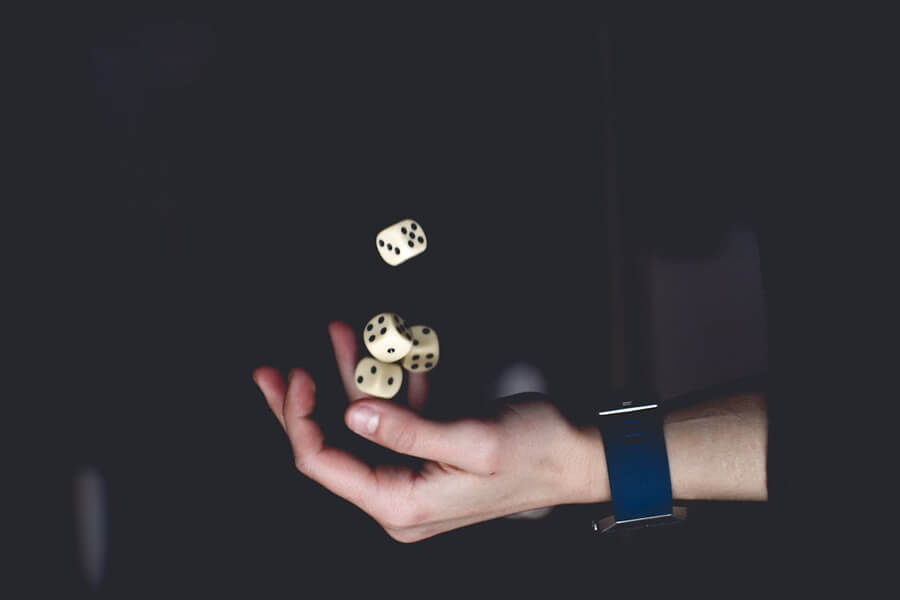
Randomness is an effective way to make a game feel different every time you play. In browser games, this is often achieved through procedural generation or random number generators (RNGs).
Procedural generation is what game designers use to randomize level layouts or enemy placement, so no two games will be the same. This forces players to think on their feet instead of just memorizing patterns.
Random number generators are used on a more micro scale, determining factors like card picks and die rolls. Think of a simple card game where the deck is shuffled randomly, and the player has absolutely no control over the cards they get. That’s the chance part. But the player has full control over how to play those cards. That’s the skill part. This creates a puzzle that’s always changing. The chance element ensures every round begins fairly. The player’s skill then determines the winner in the long run. This concept is evident even in the clever design of online slots in Canada. In those games, the RNG decides where the reels stop, but the player’s choices, which game to play and how to manage their money, demonstrate skillful interaction with the system.
Skill Leads to Mastering the Game

While chance creates the world of the game, skill lets you succeed in it. Skill in browser games can mean many things. It can be quick reflexes in an action game. It can be careful planning in a puzzle game. It can be resource management in a simulation game. The main thing is that what you do must have a clear effect on the result.
A well-designed game will give players the information they need to make good decisions, even when things are uncertain. For example, a game might show the odds of something happening, allowing a player to take a calculated risk. When a player is skilled, having access to this information is what creates the difference between blind luck and smart decision-making.
A new player will struggle with the random parts of the game at first. But as they play more, they’ll start to understand how the game works. They’ll learn to see patterns and make better choices, leading to a virtuous reward cycle that keeps people playing the game for a long time.
Mixing Chance and Skill
So how can a developer put this mix into a browser game? One of the best ways is to use random rewards with player choice. Imagine a game where, after you beat a room of enemies, you’re given a choice of three random power-ups. The power-ups themselves are the chance part, but the choice of which one to take is all skill. A new player may choose at random, while a skilled player will pick the power-up that works best with what they already have.
Another good method is to use “controlled randomness”. This is where the game’s RNG is not completely random; it’s guided by rules to make the game fair and fun. For example, a developer might make a system that stops a player from getting the same bad result too many times in a row. Alternatively, they might make sure a useful item is guaranteed to appear after a certain number of tries. This smooths out the rough edges of pure luck. It prevents situations where a player loses solely due to a prolonged bad streak.
The Best Balance
The last piece of the puzzle is balance. The mix of chance and skill is not a formula. It’s a design choice that will determine how your game feels. A game with a lot of chance will feel more casual and surprising. A game with a lot of skill will feel more competitive and strategic. And there’s no one right answer, but the developer must be clear about what kind of experience they want to create.
How the game gives feedback is also crucial. When a player does something skillful, they should get positive feedback. This shows them their decisions matter. When a random event occurs, it should feel like a new opportunity or a fun challenge, not a frustrating problem. The goal is to create a good relationship between the two, so that player feels like they’re in a constant, interesting conversation with the game’s systems.
A Rewarding Challenge
One of the most rewarding challenges for a game designer is balancing the unpredictable nature of chance with the skill required to succeed; it’s what leads to creating browser games that are not only fun but also highly replayable.
By using randomness to mix things up and keep players on their toes, while giving them the tools to show off what they can do and improve their skills, developers can create games that are more than just series of individual elements. Games like these become living, breathing, dynamic worlds where every time someone plays, they’re whole new stories waiting to be written by the choices the players make.
🔙 Back to Articles list.