From 13KB to Triple-A: How Indie Devs Can Reinvest in Their Craft
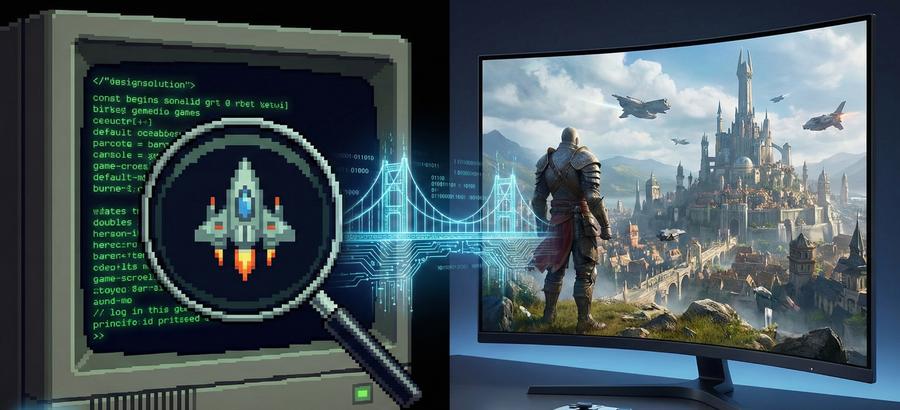
Every js13kGames participant knows the unique adrenaline rush of building something fun, weird, and technically clever inside a brutally small 13KB package. You shave bytes like a speedrunner shaves frames. You hand-optimize sprites, compress audio until it squeaks, and obsess over every function call in your game loop.
Then the jam ends.
What follows is usually a mix of pride, post-jam fatigue, and that familiar mental fog after days of aggressive minification and optimization. Once the pressure drops, many developers feel the same urge: step back, recharge, and refill the creative tank. And surprisingly often, the best way to do that isn't coding. It's playing.
Many devs use this period not just to rest, but to reinvest in their tools, references, and workflow — the things that make next year's entry stronger before a single byte is written.
1. The Research Phase
Let's be honest: playing games after a jam isn't procrastination. It's research.
Indie developers learn a lot from constraints, but they also learn a lot from scale. High-end Steam titles show what happens when ideas aren't limited to 13KB — when animation systems, sound design layers, and UX polish get room to breathe.
Watching how a AAA title handles onboarding can spark ideas for smoother tutorial flows in your next jam entry. Studying menu responsiveness or controller mapping can inspire better input abstraction. Even noticing how a game spaces out feedback sounds can change how you think about audio budgets in tiny builds.
The trick is intentional play.
Instead of zoning out, devs tend to mentally decompile what they're seeing:
- How does this game handle state transitions?
- How much of the polish comes from shaders vs. animation timing?
- What makes this UI feel responsive even when it's visually simple?
Expanding your Steam library becomes part of your dev toolkit, not just entertainment.
2. The Crypto-Developer Synergy
A lot of JavaScript developers — especially those in web tooling, browser games, or open-source spaces — already overlap with crypto communities. Whether it's dabbling in Web3 APIs, contributing to decentralized projects, or just holding some digital assets from earlier experiments, crypto isn't unusual in this crowd.
The friction point is spending it.
Many developers don't want the hassle of off-ramping to fiat just to buy a few games or tools. Bank transfers, exchange fees, and tax tracking can turn a simple purchase into a mini project.
That's why some devs look for practical bridges instead of conversion steps. For example, if you're expanding your research library, you can simply buy Steam gift card with crypto through platforms like CoinsBee, letting you move directly from digital assets into games you actually want to study — no exchange dance required.
Services that allow developers to spend crypto directly on digital products are becoming surprisingly practical tools in modern workflows. For devs used to automating builds, deployments, and testing pipelines, removing payment friction is just another small optimization that keeps momentum going.
For developers who already live half their digital life in crypto wallets, that kind of workflow just feels natural.
3. Beyond Games
Of course, reinvesting in your craft isn't only about playing new titles.
Once the jam dust settles, many developers start thinking about what could make next year's entry stronger:
- A paid sound effects library to avoid over-compressed audio
- A sprite pack to prototype faster before custom art
- A UI font that survives heavy compression
- Or even hardware upgrades for faster build times
Gift cards aren't just for Steam. They can also cover software tools, asset marketplaces, or general online stores that help streamline your dev pipeline.
Some developers even keep a small balance in services like CoinsBee specifically for these post-jam upgrades, so they can grab tools or assets without interrupting their workflow or juggling multiple payment steps.
Small improvements compound. Shaving minutes off builds or removing friction from your toolchain can mean more time spent on gameplay instead of setup.
In a way, it's the opposite of the jam mindset.
During js13kGames you remove everything unnecessary. Afterward, you add back the pieces that help you build smarter.
Conclusion
The post-jam period is underrated. It's not just recovery time — it's incubation time.
Step away from your code editor for a bit. Play something outside your usual genre. Study how other teams solved problems you wrestled with inside your tiny build. Upgrade a tool or two that makes next year's process smoother.
The best js13k entries rarely come from burnout mode. They come from developers who rested, explored, and returned with new ideas about what's possible — even inside 13KB.
So take the break. Load up something new.
Then come back ready to optimize all over again.
🔙 Back to Articles list.